Florida Amendment 3 Passes: What Property Tax Relief Means for Homebuyers and Homeowners

Thinking about buying your first home or moving to Florida? Here's what the newly approved amendment could mean for your next move.
Florida voters approved Amendment 3 on November 3, 2026, according to unofficial election results, bringing significant changes to the state's property tax structure beginning in 2027.
The amendment received approximately 62% of the vote, exceeding the 60% required for approval. Official certification remains pending.
For qualifying homeowners, this could mean meaningful property tax savings. For first-time buyers, it introduces another important consideration when evaluating affordability. And for those thinking about relocating to Florida, there's a December 31, 2026, residency provision worth understanding.
As a multigenerational Floridian, owner of multiple properties, and real estate broker with 25 years of experience, I've seen how important homeownership can be to a family's financial future.
Whether you're looking for your first home in Gainesville or Tallahassee, considering a move to Jacksonville and the surrounding Northeast Florida communities, including Ponte Vedra Beach, St. Augustine, and St. Johns County, or exploring luxury and waterfront properties along Florida's Gulf Coast and 30A beaches, here's what you need to know.
What Does Florida Amendment 3 Actually Change?
Amendment 3 expands the homestead exemption for non-school property taxes for qualifying primary residences.
Currently, the exemption is $50,000. Under Amendment 3, that increases to $150,000 in 2027 and to $250,000 in 2028.
That means qualifying homeowners could receive an additional $100,000 in exempt assessed value in 2027 and an additional $200,000 in 2028, compared with the current exemption.
Beginning in 2029, the expanded exemption will receive annual inflation adjustments.
It's important to understand that these amounts represent reductions in taxable assessed value, not direct dollar-for-dollar tax savings. Actual savings depend on the property's assessed value, local tax rates, and eligibility.
The amendment also reduces the annual assessment increase cap for non-homestead properties from 10% to 5% for non-school property taxes.
That includes properties such as second homes, rental properties, and commercial real estate.
Importantly, Amendment 3 does not eliminate all property taxes. School property taxes remain in place, along with other applicable assessments.
How Much Could Florida Homeowners Save?
Let's consider a hypothetical Florida home with an assessed value of $400,000 before exemptions.
Beginning in 2027, the expanded homestead exemption could shield up to $150,000 of assessed value from qualifying non-school property taxes.
In 2028, that amount increases to $250,000.
This could substantially reduce the portion of the property's assessed value subject to those taxes.
However, savings won't be identical for every homeowner. School taxes remain, and local millage rates, existing exemptions, and other factors affect the final bill.
For homeowners already managing rising insurance premiums, maintenance expenses, and other ownership costs, property tax relief could make a meaningful difference.
What Does the National Association of Realtors Say About Housing Affordability?
The National Association of Realtors has examined how lower property taxes could improve homeownership affordability in Florida.
NAR research shows that property taxes are an important component of monthly housing expenses, affecting both purchasing power and the income required to qualify for a mortgage.
In one affordability scenario, NAR estimated that a $200 monthly reduction in property taxes could bring approximately 242,000 additional Florida households above the income threshold needed to afford a median-priced home.
Among younger renter households, the research estimated that approximately 40,000 additional households under age 45 could afford a starter home.
These figures represent a modeled affordability scenario, not a forecast of additional home sales or guaranteed savings from Amendment 3.
But they demonstrate something important: the cost of homeownership extends well beyond the purchase price.
Property taxes, homeowners insurance, mortgage rates, and maintenance expenses all affect what buyers can comfortably afford.
What Is Florida Realtors Saying About Amendment 3?
Florida Realtors has been closely involved in the discussion surrounding property tax relief and housing affordability.
The association supported Amendment 3, emphasizing the importance of making homeownership more attainable and helping existing homeowners manage rising costs.
Florida Realtors also highlighted the amendment's protections for non-homestead properties, including the lower annual assessment growth cap.
For buyers and property owners, the changes may provide greater predictability in certain ownership expenses.
However, the association has also recognized that implementation will involve decisions affecting local government revenue and services.
For me, the important takeaway is that affordability doesn't end when you purchase a home.
Understanding the ongoing expenses associated with ownership is essential to making a good long-term real estate decision.
Why December 31, 2026, Matters for People Moving to Florida
One of the most important provisions of Amendment 3 involves permanent Florida residency.
Under the amendment, individuals who are permanent Florida residents by December 31, 2026, may qualify for the expanded homestead exemption when they establish an eligible primary residence.
Individuals who become permanent Florida residents beginning January 1, 2027, would generally receive the existing homestead exemption initially and become eligible for the expanded exemption beginning in their fifth qualifying homestead year.
For anyone already considering relocating to Florida, this is an important distinction.
However, purchasing a home before December 31 does not automatically establish permanent residency or guarantee eligibility.
Residency and homestead qualification depend on individual circumstances and applicable requirements.
If moving to Florida has been part of your plans, I would encourage you to speak with the appropriate professionals now to understand how the changes could affect you.
First-Time Homebuyers: Could 2026 Be Your Year?
If you've been thinking about purchasing your first home in Florida, I'd love to help you explore that possibility.
Homeownership has long been an important way for families to establish roots, build equity, and create financial stability over time.
When you own a home with a mortgage, part of your monthly payment generally reduces the loan balance. As that balance decreases, your equity can grow.
And while property values fluctuate, owning real estate can become an important part of a long-term financial plan.
Amendment 3 doesn't eliminate the challenges of purchasing a home, but lower property taxes could improve affordability for some eligible buyers.
If buying your first home has been on your mind, why not start the conversation now?
My suggestion is to connect before Thanksgiving.
That gives us time to discuss your goals, connect you with a lender, understand your purchasing power, and begin looking at homes that fit your needs.
If the numbers work and we find the right property, we can explore whether becoming a homeowner before the end of 2026 makes sense.
And if you're already a Florida resident who rents, you generally don't need to rush to purchase before December 31 solely because of the amendment's residency provision.
The goal isn't simply to buy quickly. It's to make a smart decision and find the right home.
Thinking About Moving to Florida? Let's Get You Here!
I've been fortunate to call Florida home my entire life, and my family has been here for generations.
There's so much to appreciate about our state, from its coastal communities and beautiful natural landscapes to its universities, employment opportunities, and variety of lifestyles.
In Gainesville and Tallahassee, buyers can find established neighborhoods, new construction, acreage, and beautiful luxury homes.
Jacksonville and Northeast Florida offer additional opportunities, including waterfront living in Ponte Vedra Beach, St. Augustine, and throughout St. Johns County.
And along Florida's Gulf Coast, including the 30A beaches, buyers can explore coastal homes, second residences, and investment properties.
If you've been considering making Florida home, I'd love to help you find the right community.
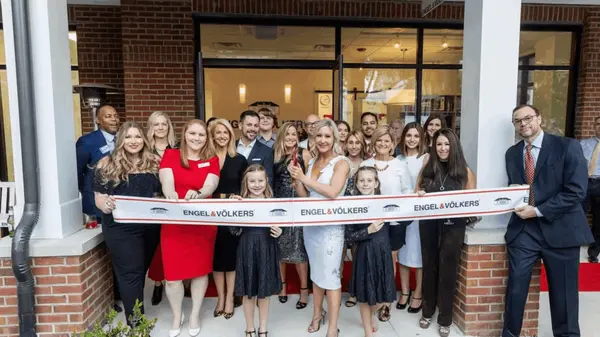
Although my Engel & Völkers offices are in Gainesville and Tallahassee, I can connect you with experienced real estate professionals throughout Florida.
I'll help you navigate the process, connect with lenders and other trusted professionals, and explore opportunities that align with your goals.
Let's start the conversation before Thanksgiving and see whether making a move before the end of the year makes sense for you.
What About Second Homes, Waterfront Properties, and Investment Real Estate?
Florida continues to attract buyers interested in vacation homes, waterfront properties, rental investments, and commercial real estate.
Amendment 3 includes a provision specifically affecting non-homestead properties.
The annual assessment increase cap for non-school property taxes decreases from 10% to 5%.
This may provide additional predictability for owners of second homes, rental properties, and commercial real estate.
However, the expanded homestead exemption generally applies to qualifying primary residences, not second homes or investment properties.
And a lower assessment growth cap does not guarantee a lower tax bill.
For anyone purchasing a luxury waterfront home, vacation property, or investment in Florida, understanding the property's intended use and tax classification is important.
Could Amendment 3 Affect Florida Real Estate Prices?
Lower property taxes could improve purchasing power for certain buyers, and the residency provision may influence some relocation decisions.
However, it's too early to determine how the amendment will affect home prices or transaction volume.
Florida's real estate markets are influenced by mortgage rates, inventory, insurance costs, employment, and local demand.
The Gainesville market is different from Tallahassee, just as Jacksonville, St. Augustine, and the 30A beaches have their own market characteristics.
The most important question isn't whether everyone else will start buying.
It's whether purchasing a home makes sense for your financial circumstances and long-term goals.
What About Funding for Local Services?
Property taxes help fund public safety, infrastructure, and other local government services.
A state economic analysis projected that Amendment 3 could reduce local government revenue by nearly $5 billion in its first fiscal year, with larger reductions in subsequent years.
Local governments will need to evaluate how to maintain services and manage budgets as the changes take effect.
The amendment does not establish a comprehensive replacement funding mechanism.
This is an important issue for homeowners and communities to follow as implementation moves forward.
Frequently Asked Questions About Florida Amendment 3
Did Florida Amendment 3 pass?
Yes. Florida voters approved Amendment 3 in the November 3, 2026, election, with approximately 62% voting in favor according to unofficial results. Official certification remains pending as of November 4.
When do Florida's new property tax exemptions begin?
The changes are scheduled to take effect January 1, 2027. The expanded exemption increases to $150,000 in 2027 and $250,000 in 2028 for qualifying non-school property taxes.
Will Florida homeowners stop paying property taxes?
Not entirely. School property taxes and other applicable assessments remain. Actual savings depend on the property and the homeowner's eligibility.
Do I need to buy a home before December 31, 2026?
Not necessarily. The amendment's residency provision is different from a requirement to purchase a home by year-end. Existing Florida renters may qualify for the expanded exemption when purchasing an eligible primary residence later, subject to applicable requirements.
What if I move to Florida in 2027?
New Florida residents would generally receive the existing homestead exemption initially and become eligible for the expanded exemption beginning in their fifth qualifying homestead year.
Could Amendment 3 help first-time homebuyers?
Potentially. Lower ongoing property taxes could improve affordability for eligible buyers, although mortgage rates, home prices, insurance, and income remain important considerations.
Does Amendment 3 apply to second homes and investment properties?
The expanded homestead exemption applies to qualifying primary residences. Non-homestead properties may benefit from the reduced annual assessment growth cap for non-school taxes.
Can Carrie Cason help me buy a home anywhere in Florida?
Yes. I work directly with buyers and sellers in Gainesville and Tallahassee and can help connect clients with experienced real estate professionals throughout Florida, including Jacksonville, Ponte Vedra Beach, St. Augustine, St. Johns County, and the Gulf Coast and 30A communities.
Ready to Make Your Next Move in Florida?
After 25 years in real estate, I've learned that a successful real estate decision involves more than finding a beautiful property.
It's about understanding your financial goals, evaluating the cost of ownership, and finding a home and community that fit your life.
As a multigenerational Floridian, property owner, and Broker and Owner of Engel & Völkers Gainesville and Tallahassee, I bring both professional experience and a personal understanding of Florida real estate.
Whether you're buying your first home, relocating to Florida, selling a luxury property, or exploring waterfront and investment opportunities, I'd welcome the opportunity to help.
Let's connect before Thanksgiving.
I can help you explore available properties, introduce you to experienced lenders and other professionals, and determine whether purchasing before the end of 2026 makes sense for you.
And whether your destination is Gainesville, Tallahassee, or somewhere else in the great state of Florida, I'll help you find the right people and the right opportunities.
Carrie Cason
Broker & Owner | Engel & Völkers Gainesville and Tallahassee
25 Years of Real Estate Experience
https://casoniconicproperties.
Published November 4, 2026. Election results are unofficial pending certification. This article is intended for educational purposes and does not constitute legal, tax, or financial advice.
Categories
Recent Posts