Equestrian Estates of Alachua County: A Luxury Buyer's Guide to North Florida Horse Country
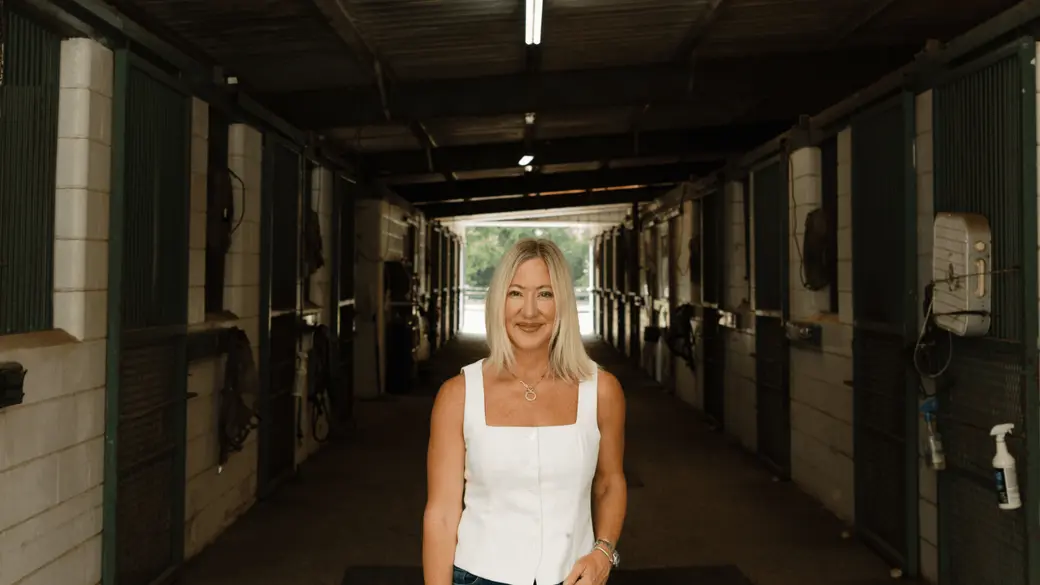
The first question I ask a buyer looking at equestrian properties in Florida is where they picture the horses at six in the morning. The answer usually tells me everything. Some picture a barn a short hack from the show ring. Others picture a quiet pasture, a sound fence line, and room to breathe. Florida has room for both, and I help buyers find either.
With 25 years in the real estate business and the Engel & Völkers Land & Ranch certification behind me, I work with riders and horse owners across the state. Alachua County holds a particular place in that map. The land, the trails, and the long-established community of riders and horse owners here make it one of the most rewarding places in Florida to keep horses, and it deserves a close look from anyone weighing where to land.
What Sets Alachua County Horse Country Apart
Florida's best-known horse addresses have earned their reputations. Wellington built the winter show world in Palm Beach County. Ocala, to the south in Marion County, is a premier breeding and training hub with the show grounds to match. I represent buyers who love those places, and I understand exactly what draws them.
Alachua County offers something of its own. The western side, where Newberry and Jonesville anchor an established equestrian corridor, has fenced trail communities, bridle paths, and acreage that has been zoned and used for horses for decades. The horse country continues from there, north through the town of Alachua and High Springs and south toward Williston. You get real room for pastures and a barn, generous tree cover, and a genuine riding community, all within easy reach of Gainesville, the University of Florida, and UF Health. It is a working, livable kind of horse country.
When a relocating rider or a second-home buyer asks me about equestrian properties for sale in Florida and wants land, quiet, and neighbors who ride, this is where I bring them. If you want to see what is on the market today, you can browse current homes and land through the Cason Iconic Properties listings page.
What Makes a Working Equestrian Estate
A pretty pasture and a nice barn do not make a working farm. When I walk a property with a buyer, I am reading the land for how horses will actually live on it through a Florida summer and a Florida rainy season.
Acreage needed is the first conversation, and it depends on your horses and your plans. Turnout, pasture rotation, and a place to put an arena all draw from the same total. I would rather a buyer size the land to the operation they intend than to a number they read online.
Water matters more than most first-time land buyers expect. I look at the well, the way the property drains after a hard rain, and where the wetlands sit, since those lines shape what you can build and where. Soil and drainage decide whether a paddock stays usable in August or turns to soup. Fencing, cross-fencing, and gate placement tell me whether the previous owner ran a real horse operation or just liked the view.
Easements and access are the quiet dealbreakers. A shared drive, a utility easement across a future arena site, or a conservation restriction can reshape your plans after closing. I read those documents early, while there is still time to renegotiate or walk.
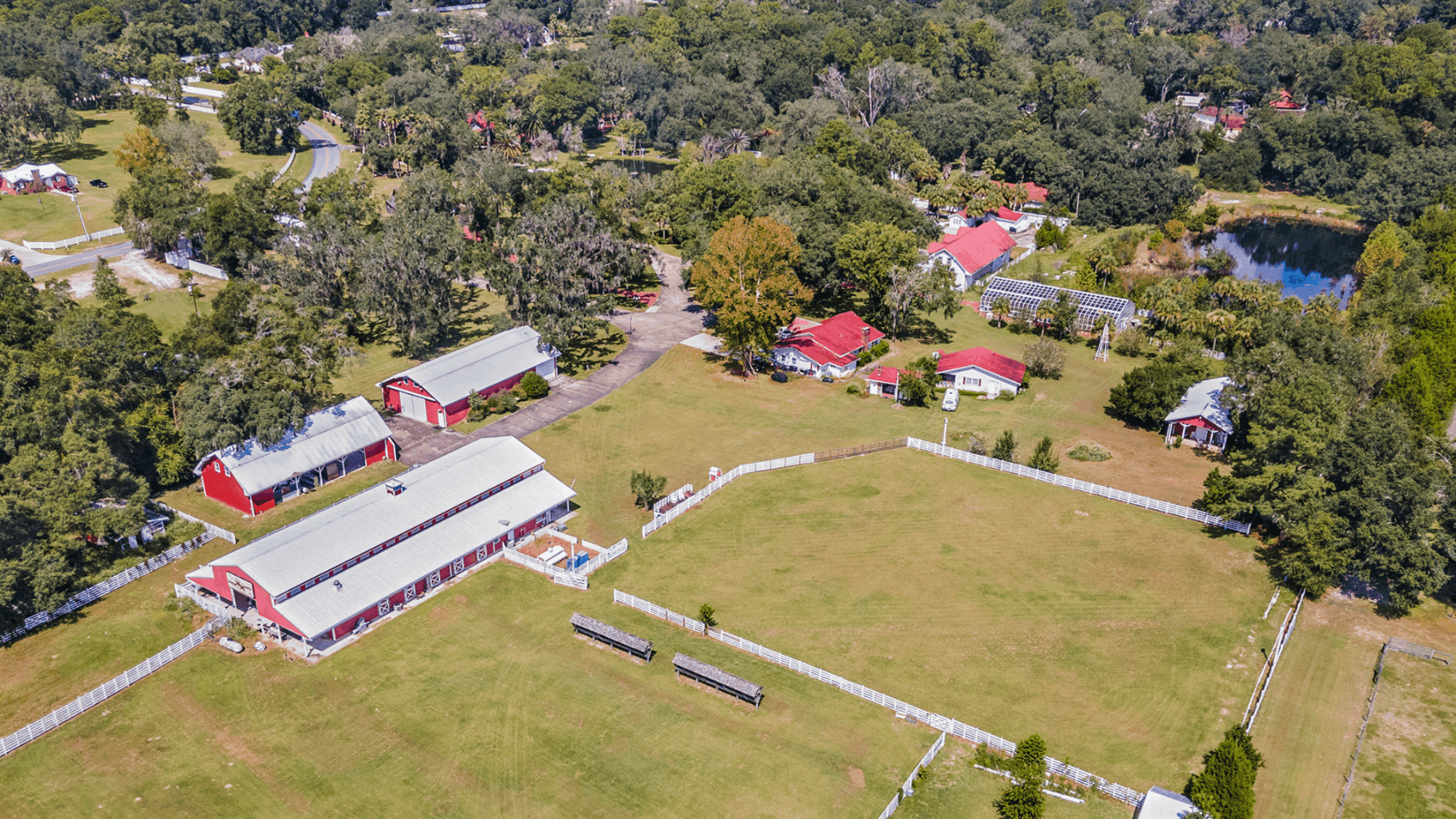
How I Read a Barn and Its Outbuildings
This is where my construction experience does real work for a buyer. A barn is a building before it is a barn, and I read it that way.
I check the roofline and the foundation the way I would on a house. I look at ventilation and airflow, because a stuffy center aisle is hard on horses and hard to fix. Electrical and water service to the stalls, the condition of the stall mats and drainage, the footing in the arena, the framing in a hay barn or equipment building, all of it goes on the list. A handsome barn can hide an expensive problem, and a plain one can be sounder than it looks.
Outbuildings deserve the same read. Run-in sheds, a workshop, a generator setup, and the way the property handles storage and equipment all factor into what you are really buying. When I can tell a seller's agent exactly what a repair will cost, my buyer negotiates from a position of knowledge rather than guesswork. That is the difference between admiring a farm and understanding one.
Trails, Show Grounds, and Where You Will Actually Ride
Location for a horse buyer is measured in access, not just address. Western Alachua County gives riders real ground to use. The San Felasco Hammock Preserve carries miles of equestrian trails through hardwood hammock, and several of the horse communities on the Newberry and Alachua side sit close enough to hack out or trailer in easily.
For competition, the geography works in your favor. HITS Ocala, Horse Shows in the Sun, runs its winter circuit to the south, and the Florida Horse Park in Marion County adds eventing, dressage, and driving to the calendar. You can keep your horses on land in Alachua County and still reach those show grounds when the season calls. A rider gets the best of both, room at home and the circuit within easy reach.
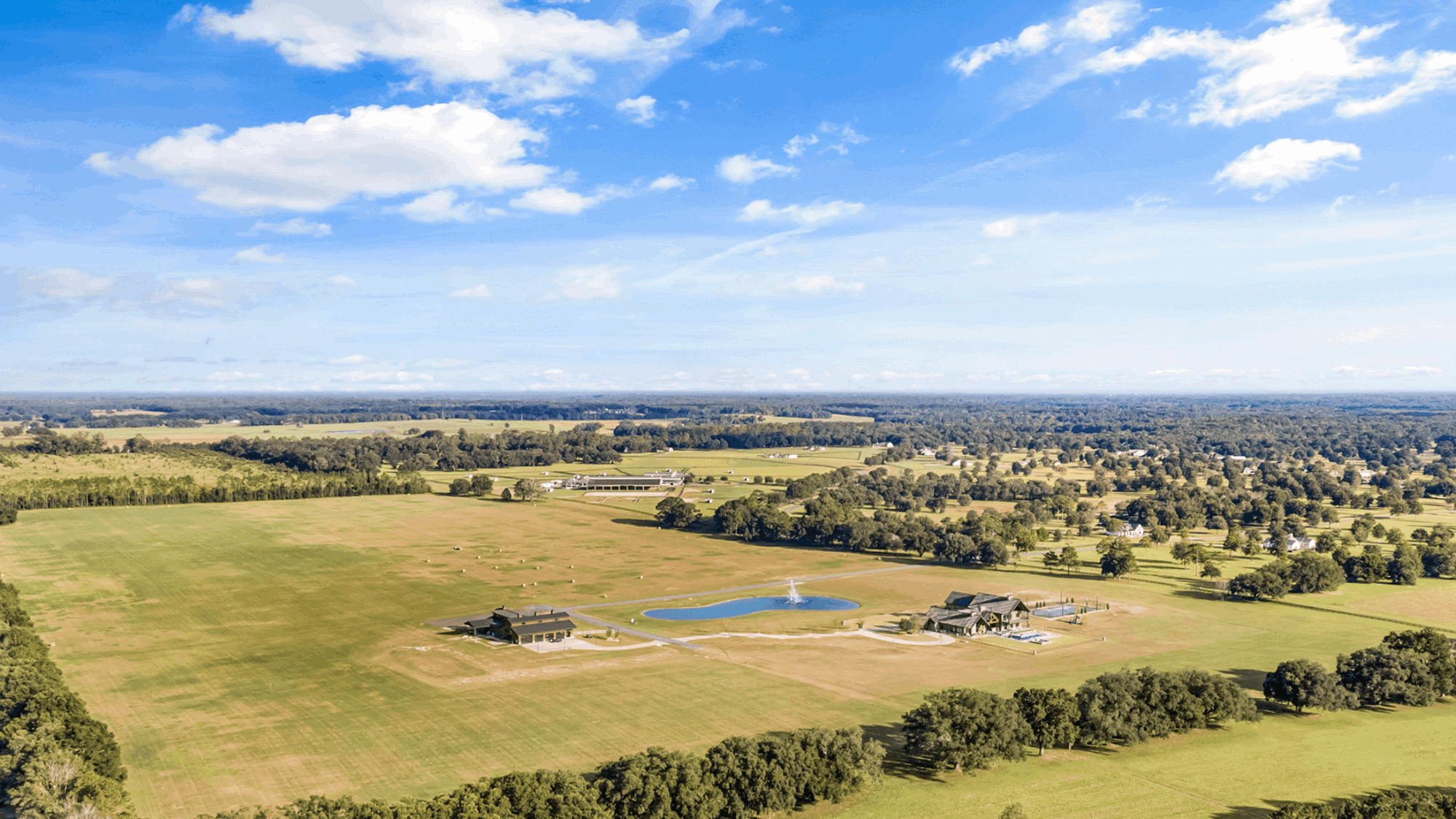
The Engel & Völkers Equestrian Advantage
Selling and buying horse property well takes a network built for it. My Engel & Völkers Land & Ranch certification connects me to a global system with hubs in the places serious horse people already know. Wellington here in Florida, Aiken in South Carolina, Lexington in Kentucky. When I bring a North Florida estate to market, I can put it in front of qualified buyers moving between those worlds, not just the ones searching locally.
The Land & Ranch designation itself was earned on sold ground: large acreage, plantations, equestrian properties, and ranches. I have represented Double Barrel Ranch and Snooty Fox Farm, the latter with ties to the Kentucky Derby, along with Honey Lake Plantation in Greenville. These are the kinds of land and equestrian holdings that ask for discretion, elevated presentation, and a buyer pool that understands them. You can see more of this work on the Cason Iconic Properties portfolio of past representations.
Less spectacle. More stewardship. That is the promise I make to a horse buyer in North Florida, and it is the reason luxury, waterfront, and equestrian have become the properties I am known for. If you want to know more about how I work, my background and approach are on the about page.
Frequently Asked Questions
What should I look for when buying an equestrian property in Florida?
Start with the land and the water. Look at total acreage against the operation you actually plan to run, how the property drains after heavy rain, where the wetlands and easements sit, and the condition of fencing and cross-fencing. Then read the barn like a building: roof, foundation, ventilation, electrical, water to the stalls, and arena footing. In Florida, drainage and turnout quality through the summer rainy season matter as much as the finishes. I walk each of these with my buyers before anyone talks price, because the answers change what a property is worth and what it will cost you to own.
Where are the best areas for horse properties near Gainesville?
The western side of Alachua County is the established heart of the local horse community. Newberry and Jonesville anchor it, with fenced trail neighborhoods and long-standing equestrian zoning. The town of Alachua and High Springs add more acreage options to the north, and Williston extends the horse country to the south. These areas give buyers real land close to Gainesville, the University of Florida, and UF Health, with trail access at San Felasco Hammock Preserve nearby. Community rules and zoning vary, so I verify the specifics for any property a buyer is serious about before we move forward.
Do equestrian properties in Florida come with water rights?
Florida handles water differently than the western states where the phrase "water rights" gets used most. Here the questions that matter are the well and its capacity, access to surface water, wetland boundaries, and whether the property needs a consumptive use permit through the regional water management district for larger operations. Drainage and flood zoning also shape what you can build and where. I make sure a buyer understands the water picture on a specific parcel during diligence, because it affects both daily horse keeping and long-term plans for barns and arenas.
How much land do you need for horses?
There is no single number, and I am careful not to quote one as if there were. The land a horse needs depends on the number of horses, how much of the property is usable pasture versus wetland or wooded acreage, your turnout and rotation plan, and whether you want room for an arena and outbuildings. A well-managed smaller parcel can support horses better than a larger one that drains poorly or sits half in wetland. I would rather help a buyer match the acreage to the way they actually intend to keep horses than send them chasing a figure from a listing site.
What makes Alachua County a good place to keep horses?
Three things stand out. First, the land: the western side of the county still has acreage zoned and used for horses, with room for pastures, a barn, and an arena. Second, community and trails: established equestrian neighborhoods and the miles of horse trails at San Felasco Hammock Preserve give you places to ride close to home. Third, access: you are minutes from Gainesville, the University of Florida, and UF Health, and an easy drive from the show grounds at HITS Ocala and the Florida Horse Park when the season calls. It is a working, livable kind of horse country, and that combination is hard to find in one place.
A Final Word, and an Invitation
Alachua County has been home to a serious equestrian community for a long time, and it has done it quietly. The land is here. The trails are here. The show grounds sit an easy drive south. What has been missing is a luxury advisor who knows both the horses and the buildings, and who can source qualified buyers from the wider horse world through a network built for it.
If you are considering equestrian properties in Florida, whether you are buying a first farm or selling an estate you have poured years into, I would welcome the conversation. You can reach me directly through the contact page and we will find a time to talk about your land, your horses, and what you want next.
Let's talk about your next chapter. I am ready when you are.
Categories
Recent Posts